When planning an agricultural project, choosing what to grow is only one part of the decision. The way in which the crop is cultivated can have an equally important impact on the project's investment, management requirements and long term potential.
Two approaches are particularly relevant for commercial agriculture today — protected cultivation and open field farming. While both can be productive, they work on very different principles. The right choice ultimately depends on the characteristics of the land, crop suitability, available resources and the objectives of the project.
Understanding Protected Cultivation
Protected cultivation involves growing crops within a controlled structure, such as a polyhouse, where growing conditions can be managed more precisely. Systems for irrigation, fertigation, ventilation and other environmental factors can be designed around the requirements of the crop.
This makes protected cultivation particularly suitable for high value flowers and selected exotic or high value vegetables. Crops such as Dutch Rose, Gerbera and Gypsophila can be cultivated under suitable protected conditions, where greater control over the growing environment can support consistency in production and quality. However, protected cultivation also requires a higher level of planning and infrastructure. The initial investment, technical management, crop selection and operational discipline need to be considered before establishing the project.
The Scope of Open-Field Farming
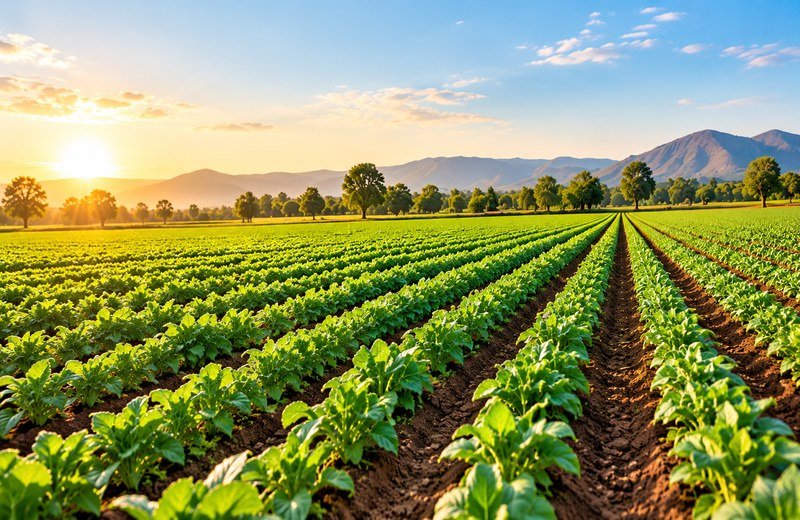
Open field farming takes place under natural environmental conditions, with cultivation planned around the local climate, soil characteristics and seasonal cycle. It provides a suitable model for a wide range of crops, particularly fruits and medicinal crops.
At Vriddhi Agro, open field cultivation includes crops such as Chia, Ashwagandha and Kaali Haldi, along with fruits including Guava, Banana, Orange and Jackfruit. While open field farming may involve a different infrastructure requirement compared with a polyhouse, it still requires professional planning. Soil and water management, crop selection, farm operations, harvesting and access to the right market all contribute to the performance of the project.
So, Which Cultivation Model Is Right for Your Land?
There is no universal answer. A piece of land with suitable conditions for a high value protected crop may benefit from a polyhouse model, while another location may be better suited to open field fruit or medicinal crop cultivation.
The decision should consider land characteristics, water availability, climate, crop potential, infrastructure requirements, investment capacity, labor and market opportunity together. This is why agricultural project planning should begin with the land — not with a predetermined crop or cultivation method.
Land-First Planning with Vriddhi Agro
At Vriddhi Agro, we assess the potential of each project before determining the appropriate cultivation approach. From site assessment and project planning to infrastructure, cultivation, farm management, harvesting, packing, transportation and market linkage, the focus is on creating an agricultural model suited to the project's specific requirements.
Because the question is not simply “Protected or open field?” It is “What can this land support, and what is the right way to cultivate it?”